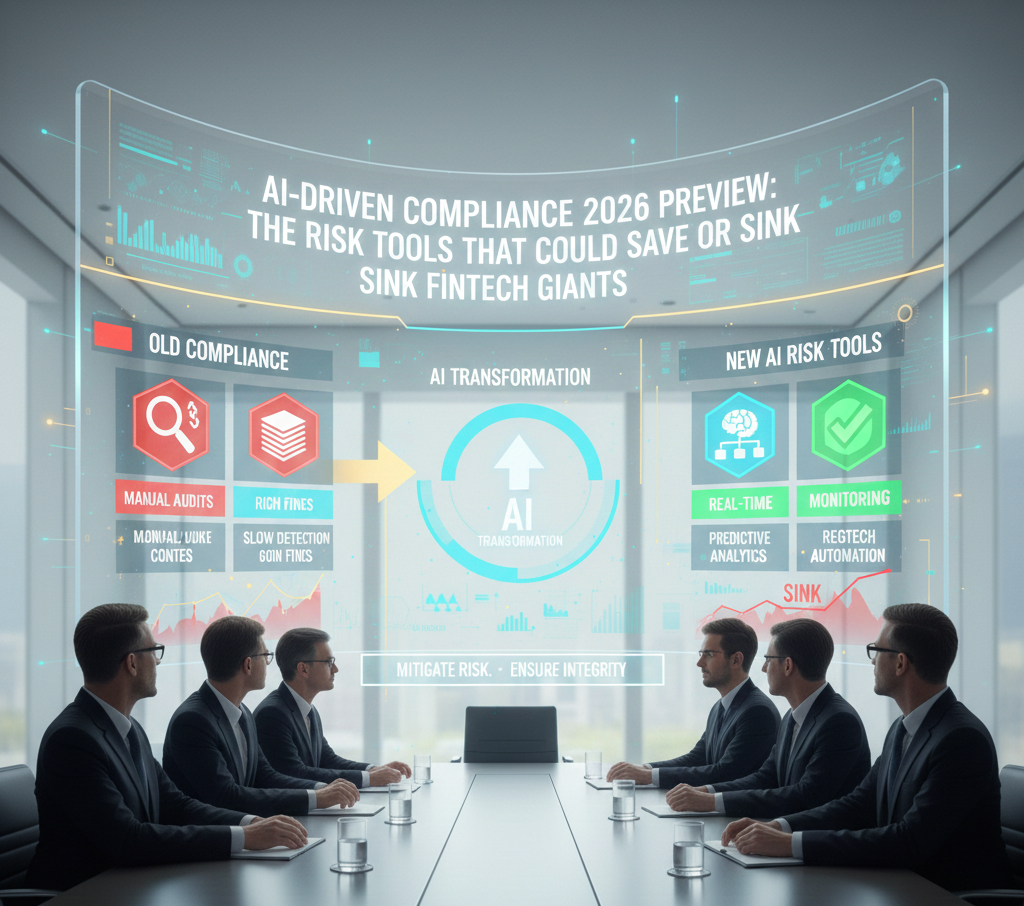
AI-driven compliance tools promise to transform fintech operations in 2026 by enabling real-time monitoring, fraud detection, and regulatory reporting, but they also introduce risks like black-box decisions and integration hurdles that could undermine giants if mismanaged.[1][2]
The Rising Stakes of Compliance in Fintech
Fintech leaders face a perfect storm in 2026: AI-powered fraud, crypto complexities, and unified regulations demanding integrated risk strategies. Traditional siloed approaches to KYC, AML, and monitoring are obsolete, shifting compliance from cost center to strategic advantage.[2] Regulatory pressures, including the EU AI Act’s high-risk obligations effective August 2026 and MiCA’s crypto licensing regime ending mid-year, mandate strict transparency and auditability.[5]
In the US, the GENIUS Act’s stablecoin rules from July 2025 and state laws like Colorado’s AI lending disclosures (effective February 2026) add layers, alongside DORA’s IT resilience demands.[5] These changes require AI tools that adapt faster than humans to evolving standards.[3]
Key AI Technologies Powering Compliance
Machine learning excels in fraud detection and credit scoring by learning from data patterns, while NLP parses KYC documents and powers chatbots. Computer vision handles ID verification via face matching, and predictive analytics forecasts risks like churn.[1] RPA combined with AI automates compliance reporting and workflows.
| AI Technology | Fintech Compliance Use |
|---|---|
| Machine Learning | Adaptive fraud detection |
| NLP | KYC document parsing |
| Computer Vision | Real-time ID verification |
| Predictive Analytics | Risk scoring |
AI shifts from reactive rule-based systems to proactive, behavioral analysis, enabling continuous transaction monitoring and real-time AML screening.[1][2]
How AI Saves Fintech Giants: Proven Benefits
AI reduces fraud losses by detecting anomalies early with fewer false positives, minimizing customer friction. One bank used AI for SAR filings, cutting manual review errors by 25% and freeing teams for high-risk investigations.[4] Automated KYC via facial recognition and document scanning speeds onboarding while meeting AML/CFT rules, turning compliance into a CX enhancer.[4]
RegTech platforms automate transaction screening and reporting, keeping firms audit-ready. Surveys show customer satisfaction rises with secure measures like multi-factor authentication powered by AI alerts.[4] In crypto, on-chain analytics trace funds to sanctioned wallets, a scenario set to become standard.[2]
The Sinking Risks: Where AI Could Fail
Despite benefits, challenges loom large. Explainability is critical—regulators reject black-box models, demanding explainable AI (XAI) for auditable decisions, bias testing, and governance.[2][5] AI-powered crime, like deepfakes in onboarding, escalates the arms race, requiring proactive defenses.[2]
Legacy system integration disrupts workflows, and jurisdictional variances complicate multi-region compliance.[1] The EU AI Act enforces remediation for high-risk AI in finance, while crypto demands forensic wallet screening beyond basic blacklists.[2][5] Fintechs ignoring these risk fines, reputational damage, or operational collapse.
2026 Regulatory Landscape: What Fintech Must Navigate
- EU AI Act: August 2026 high-risk rules demand mapped AI systems with transparency.[5]
- MiCA: Mid-2026 crypto licensing unifies EU standards for stablecoins.[5]
- US GENIUS Act: Federal stablecoin oversight post-July 2025.[5]
- DORA: Enhanced EU IT resilience for financial services.[5]
AI must align with these, using custom models to scan and adapt to changes faster than manual processes.[3]
Real-World Examples and Trends
A European bank traced ransomware-linked funds via on-chain AI analytics, previewing 2026 norms.[2] US banks leverage generative AI for SAR insights, reducing review time dramatically.[4] Trends point to agentic AI for independent workflows and resilient infrastructure.
Traditional vs. AI systems highlight the gap:
| Area | Traditional | AI-Powered |
|---|---|---|
| Fraud Detection | Rule-based | Behavioral, adaptive |
| Compliance | Periodic audits | Continuous monitoring |
| Credit Decisions | Static scoring | Dynamic, real-time |
Strategies for Success in 2026
Fintech giants should prioritize XAI frameworks, robust training data to mitigate bias, and phased legacy integrations. Partner with RegTech for scalable automation and invest in compliance talent versed in AI governance. Early adoption positions firms as leaders; delay invites sunk costs.[1][2]
Conclusion
AI-driven compliance tools in 2026 offer fintech giants salvation through efficiency and resilience or peril via opacity and misalignment. Balanced implementation—embracing explainability and regulations—will determine winners in this high-stakes evolution.
References
- https://www.digipay.guru/blog/artificial-intelligence-in-fintech/
- https://kyc-chain.com/kyc-aml-trends-2026/
- https://www.multimodal.dev/post/ai-trends-in-fintech
- https://thefinancialbrand.com/news/customer-experience-banking/ai-compliance-customer-experience-194542
- https://wezom.com/blog/fintech-development-trends-2026
About the Author
InsightPulseHub Editorial Team creates research-driven content across finance, technology, digital policy, and emerging trends. Our articles focus on practical insights and simplified explanations to help readers make informed decisions.