HP to Lay Off Up to 6,000 People in AI Push to Save $1 Billion
HPE 1

HP has announced plans to lay off up to 6,000 employees as part of a major restructuring effort aimed at saving $1 billion in costs. The layoffs will primarily affect roles in product development and customer support, reflecting a strategic shift in the company’s focus. This move comes amid growing demand for AI-enabled PCs, which HP sees as a key growth area. By reducing its workforce in these departments, HP intends to streamline operations and redirect resources toward developing and supporting next-generation AI-powered devices. The company expects these changes to improve efficiency and competitiveness in a rapidly evolving technology landscape. The layoffs are part of a broader industry trend, as tech firms increasingly invest in artificial intelligence and automation. HP’s leadership believes that focusing on AI-enabled PCs will position the company for long-term success and allow it to better meet changing customer needs. The restructuring is expected to be completed over the next several quarters, with affected employees receiving severance packages and support for transition. HP has emphasized that the layoffs are not a reflection of poor performance but rather a strategic realignment to meet future market demands. The company remains committed to innovation and maintaining its leadership in the PC market. Analysts suggest that while the layoffs may cause short-term disruption, they could strengthen HP’s position in the AI-driven tech sector. HP’s decision highlights the ongoing transformation in the technology industry, where companies must adapt quickly to new technologies and shifting consumer preferences. The move also underscores the challenges traditional tech firms face in balancing cost reduction with innovation. HP’s focus on AI-enabled PCs is expected to drive new product development and attract customers seeking advanced computing capabilities. The company will continue to monitor market trends and adjust its strategy as needed to remain competitive.
How Governance, Compute and Digital Rails Will Redefine BFSI

Smruthi Responsible AI Could Become the New Competitive Edge in Digital Finance

The banking, financial services, and insurance (BFSI) sector is undergoing a profound transformation driven by advances in governance, compute infrastructure, and digital rails. As regulatory frameworks become clearer and more predictable, the uncertainty surrounding compliance is expected to decrease, allowing institutions to focus more on innovation and the integration of new technologies. However, this shift brings increased uncertainty around the use of artificial intelligence (AI) in front-line workflows, as banks grapple with how to deploy AI responsibly and effectively while maintaining trust and transparency. The evolution of digital rails—secure, scalable, and interoperable infrastructure—enables seamless data exchange and service delivery, supporting both customer-facing and back-office operations. Governance is becoming more critical, with institutions establishing cross-functional teams and robust oversight mechanisms to ensure that technology adoption aligns with strategic objectives and regulatory requirements. Compute capabilities are advancing rapidly, providing the processing power needed for real-time analytics, AI-driven decision-making, and enhanced cybersecurity. As a result, banks are investing in modular, standardized services that can be easily integrated and scaled, reducing dependency on legacy systems and IT bottlenecks. These changes are not only improving operational efficiency but also enabling faster compliance, better risk management, and more personalized customer experiences. The ability to harmonize customer-facing agility with strong risk controls is a key differentiator for leading institutions. Federated data models and open finance initiatives are helping banks break down data silos and gain a unified view of customer interactions, which is essential for leveraging AI and other digital tools. Continuous compliance automation, powered by machine-readable regulations and automated policy engines, is reducing the burden of manual checks and enabling real-time evidence for audits. Transparent performance dashboards and change-management facilitators are equipping staff with the skills and insights needed to adopt new workflows smoothly. Ultimately, the convergence of governance, compute, and digital rails is redefining the BFSI landscape, creating new opportunities for growth, scalability, and customer success while also presenting new challenges in terms of risk, compliance, and workforce adaptation.

No bias in RBI’s Inflation forecast: RBI Deputy governor Poonam Gupta

MoSPI

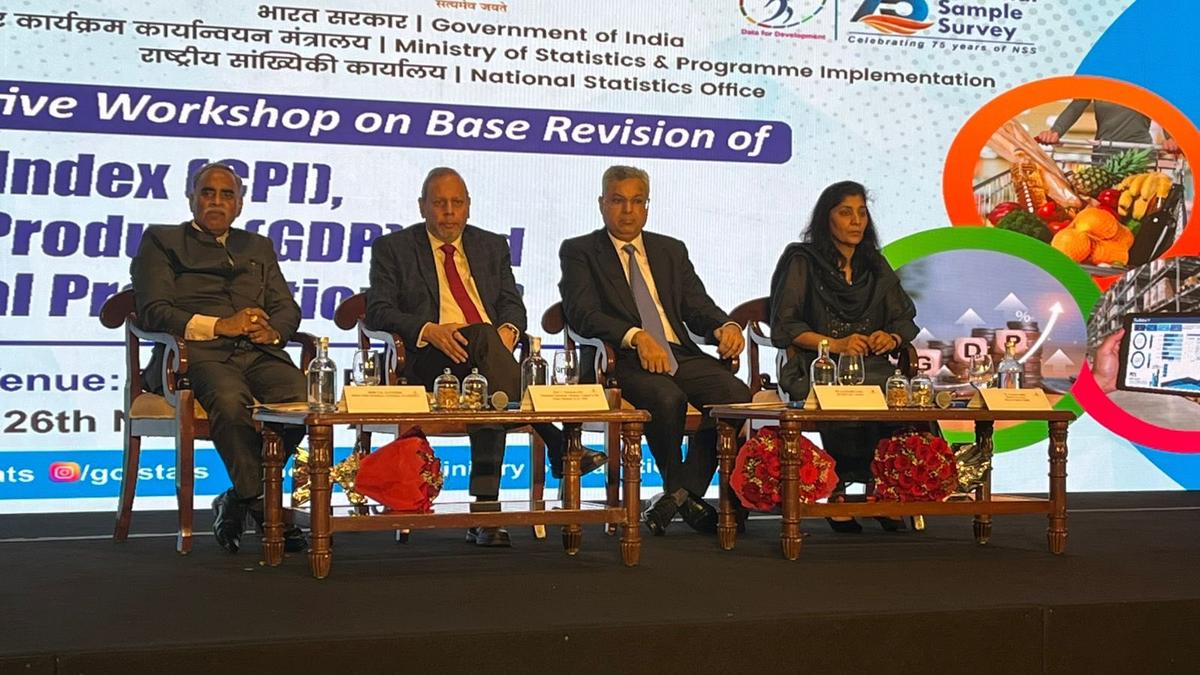
RBI Deputy Governor Poonam Gupta has strongly defended the central bank’s inflation forecasting process, asserting that there is no systematic bias in the projections made by the Monetary Policy Committee (MPC). She emphasized that inflation forecasting is inherently difficult everywhere, but particularly so in India due to the high weight of food in the Consumer Price Index (CPI) and the volatility of food prices. Gupta explained that the MPC must publish forward-looking forecasts up to four quarters ahead because monetary policy operates with significant lags, and forecast errors are inevitable, especially during periods of economic shocks or uncertainty. She noted that the central bank uses a multifaceted approach to forecasting, including proven models, historical patterns, surveys, and expert consultations with ministries and analysts. Gupta also pointed out that forecast errors are a global phenomenon and not unique to India, and that the RBI takes media and expert criticism seriously, even if some coverage is not always kind. In response to concerns about overestimation of inflation, which critics argue has prevented the RBI from cutting rates further, Gupta maintained that the forecasts are unbiased and not consistently skewed in any particular direction. She also mentioned that the RBI is reviewing the base years for GDP and the CPI basket, which will help improve the accuracy of future forecasts. Gupta further revealed that the central bank is planning to release balance of payments data on a monthly basis instead of quarterly, to provide more timely insights into India’s external position amid shifting global trade dynamics. The RBI has already reduced the lag in quarterly data release from 90 to 60 days and is considering further improvements. Gupta acknowledged that both inflation and growth forecasts have been revised frequently in recent times, with past fiscal year GDP forecasts being too optimistic and retail inflation forecasts too pessimistic, but reiterated that these errors do not indicate a systematic bias. She stressed that minimizing forecast errors is important, but it is equally crucial to recognize that no forecaster gets it right all the time. The upcoming revision of the CPI basket by the Ministry of Statistics and Programme Implementation is expected to be helpful for the RBI’s forecasting efforts. Gupta’s comments come amid ongoing debates about the accuracy and reliability of the RBI’s projections and their impact on monetary policy decisions.

Rupee settles with 2 paise gain at 88.58 against U.S. dollar

2025 05 09T072512Z 1679669284 RC24QDAQLB0F RTRMADP 3 INDIA MARKETS RUPEE

The Indian Rupee concluded its trading session with a modest gain of 2 paise, settling at 88.58 against the U.S. dollar. This slight appreciation came amidst positive momentum in the equity markets, which provided a supportive backdrop for the local currency. Additionally, lower crude oil prices played a crucial role in bolstering the Rupee’s value, as India is a major importer of oil. The combination of these factors helped offset any potential downward pressures from other global influences. Traders noted that the equity market’s upward trajectory reflected investor confidence in domestic economic indicators. The benchmark indices likely saw gains, contributing to the overall positive sentiment. Lower global crude prices reduced India’s import bill, easing pressure on the current account deficit. This development is particularly significant given India’s heavy reliance on imported energy resources. The Rupee’s performance indicates a stable forex market environment on this trading day. Market participants will be watching upcoming economic data releases for further cues. The settlement at 88.58 marks a marginal improvement from the previous close, signaling resilience. Overall, the session highlighted the interplay between domestic equities and global commodity prices in shaping currency movements. This gain, though small, could set a positive tone for subsequent sessions if trends persist.

Salesforce blocks Gainsight tools while it reviews possible data leak: Here’s what happened

SALESFORCE STOCKS 0 1717082888837 1763700555386

Salesforce has initiated an investigation into unusual activity involving Gainsight applications, which may have resulted in the exposure of customer data. As a precautionary measure, the company has temporarily suspended access to these tools to prevent any further potential risks. This action underscores Salesforce’s commitment to data security amid growing concerns over possible breaches. Gainsight, the provider of these applications, is fully cooperating with Salesforce’s review process. However, Gainsight has refrained from releasing any additional details at this stage, likely to avoid speculation or interference with the ongoing probe. The incident highlights the vulnerabilities that can arise even within integrated third-party tools on major platforms like Salesforce. Customers relying on Gainsight features for customer success management are now facing disruptions in their workflows. Salesforce’s swift response in blocking access aims to mitigate any immediate threats while the investigation unfolds. The exact nature of the ‘unusual activity’ remains undisclosed, fueling uncertainty among users. This event comes at a time when data privacy regulations are increasingly stringent worldwide. Salesforce has not specified a timeline for resolution or restoration of access. The cooperation between the two companies suggests a coordinated effort to address the issue transparently. Potential implications include data remediation efforts if a leak is confirmed. Businesses using these tools must now seek alternative solutions temporarily. Overall, this development serves as a reminder of the critical importance of robust security in SaaS ecosystems.

Top 8 smart glasses to buy in India right now for tech enthusiasts

smart glasses 1763627704801 1763627712379

Smart glasses integrated with AI technology are rapidly becoming a mainstream accessory in the tech world. This surge in popularity is highlighted by the recent arrival of Meta’s Ray-Ban smart glasses on Amazon, making them accessible to consumers in India. The article delves into eight excellent alternatives and similar options tailored for tech enthusiasts looking to purchase in India right now. These smart glasses offer advanced features like AI assistance, augmented reality capabilities, and seamless integration with daily life. With Meta’s Ray-Ban setting a new benchmark, buyers have a variety of choices that match or exceed its functionalities. The focus is on options available specifically in the Indian market, ensuring local availability and support. Tech enthusiasts can now explore devices that combine style with cutting-edge technology. The article emphasizes the importance of AI integration, which allows for hands-free operations, real-time translations, and enhanced user experiences. As smart glasses evolve, they are poised to replace smartphones in certain scenarios. For Indian buyers, this list provides curated recommendations to make informed purchases. The timing is perfect with Meta’s entry, sparking competition and innovation. Overall, the piece guides readers through top picks that blend fashion, function, and futuristic tech.

BharatGPT & Neysa Lay Out India’s Strong Push for AI Independence

Screenshot 2025 11 21 at 1.06.45 PM 1300x696 1

India is aggressively pursuing AI independence through homegrown platforms like BharatGPT and Neysa, aiming to reduce reliance on foreign technologies. BharatGPT has achieved impressive adoption, with 50,000 developers, researchers, and enterprises actively using the platform. These users have collectively created thousands of AI agents, demonstrating the tool’s versatility and effectiveness in real-world applications. This surge in usage underscores India’s growing capabilities in AI development and deployment. Neysa complements BharatGPT by further strengthening the domestic AI ecosystem, fostering innovation tailored to local needs. The involvement of such a large number of developers highlights a thriving community building indigenous AI solutions. Researchers are leveraging BharatGPT to advance cutting-edge AI research without external dependencies. Enterprises are integrating these AI agents into their operations, signaling commercial scalability and economic potential. This milestone reflects India’s strategic push to achieve technological sovereignty in artificial intelligence. The creation of thousands of AI agents indicates diverse applications across sectors like healthcare, finance, and education. By empowering 50,000 stakeholders, BharatGPT is catalyzing a wave of AI innovation within the country. This development positions India as a competitive player in the global AI landscape. Overall, BharatGPT and Neysa exemplify India’s commitment to self-reliant AI infrastructure that supports national priorities.

Insurtech Startup Pibit.AI Raises $7 Million from Stellaris, YC & Arali

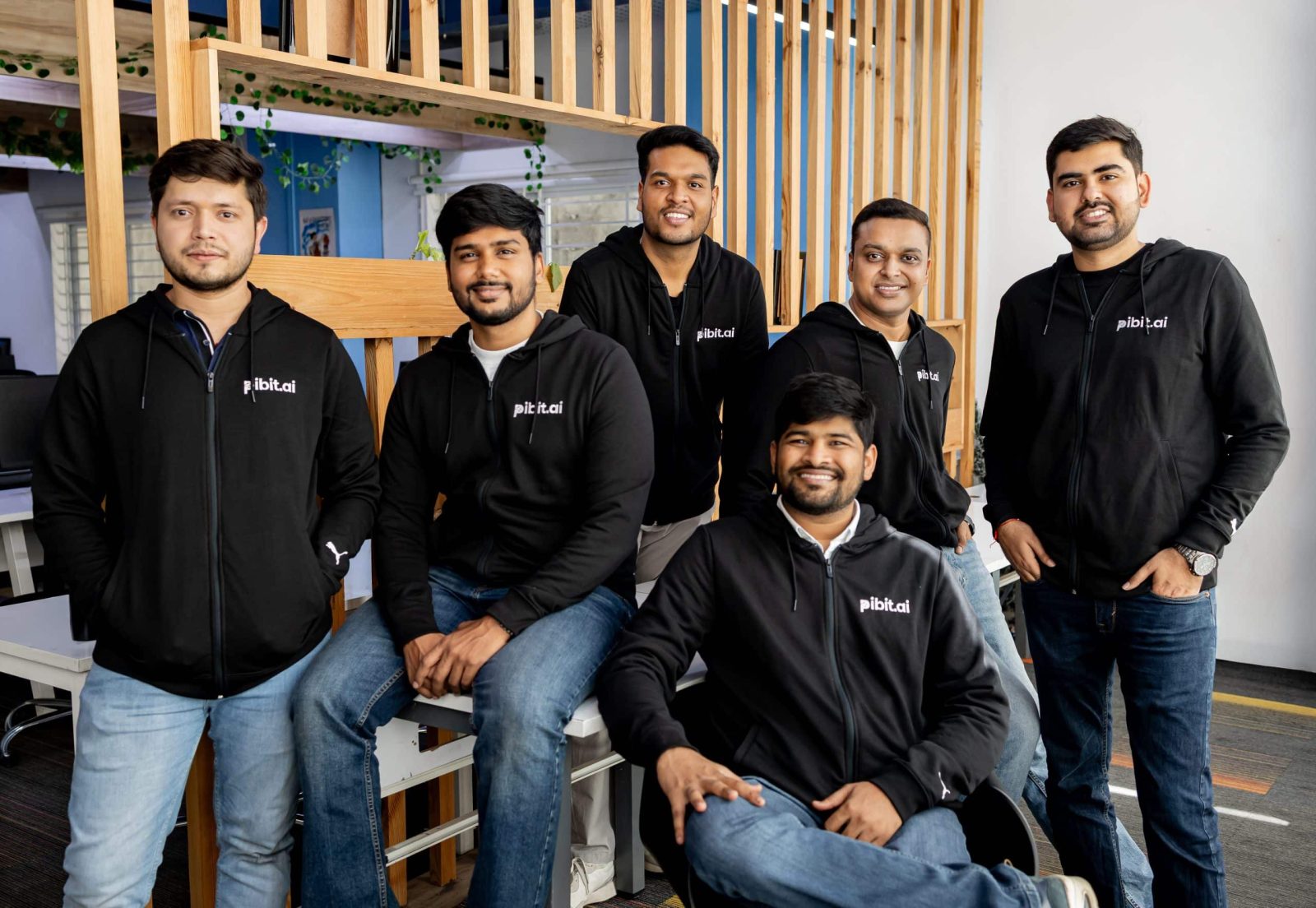
Pibit Founding Team scaled e1763705569956

Insurtech startup Pibit.AI has announced a successful $7 million funding round led by investors Stellaris, Y Combinator (YC), and Arali. This capital infusion is poised to accelerate the company’s growth in the competitive insurtech sector. At the core of Pibit.AI’s offerings is its flagship product, CURE, which represents a groundbreaking unified and intelligent system. CURE is engineered to streamline the entire underwriting lifecycle, consolidating multiple stages into a single, efficient platform. Traditionally, underwriting in insurance involves fragmented processes like risk assessment, data collection, pricing, and policy issuance, often leading to delays and errors. Pibit.AI’s CURE addresses these pain points by integrating AI-driven automation and analytics. The platform enables insurers to handle complex data inputs seamlessly, improving accuracy and speed. By unifying these workflows, CURE reduces operational costs and enhances decision-making for insurance providers. The funding from Stellaris, a prominent venture firm focused on early-stage tech, alongside YC’s prestigious accelerator backing and Arali’s investment, signals strong confidence in Pibit.AI’s vision. This round will likely support product enhancements, team expansion, and market penetration. Pibit.AI aims to transform how insurers operate in a digital-first era. As insurtech continues to disrupt traditional insurance models, innovations like CURE could set new industry standards. The company’s focus on intelligent systems positions it well for scalability across global markets.

OpenAI Launches ChatGPT Group Chats Globally to All Subscribers

openAI io

OpenAI has globally launched the group chats feature for ChatGPT to all subscribers just one week after initiating a pilot program. This rollout extends access to users across all plan tiers, including Free, Go, Plus, and Pro. Previously limited to a select group during the pilot, the feature now enables seamless collaborative conversations with ChatGPT. Multiple users can now join a single chat session, allowing them to interact simultaneously with the AI model. This development marks a significant enhancement in ChatGPT’s social and team-based functionalities. The rapid transition from pilot to full deployment underscores OpenAI’s agile approach to feature releases. Group chats facilitate real-time questioning and response sharing among participants, ideal for brainstorming, education, or professional collaboration. All standard ChatGPT capabilities, such as text generation and problem-solving, are preserved within these group settings. The global availability ensures that millions of users worldwide can immediately benefit from this update. OpenAI continues to iterate quickly on user feedback from the pilot phase to refine the experience. This launch democratizes advanced AI interaction by making it inclusive across pricing plans. No additional costs are required for Free and Go users to access group chats. The feature’s introduction positions ChatGPT as a more versatile tool for group dynamics compared to solo interactions. Overall, this update reflects OpenAI’s commitment to evolving ChatGPT into a comprehensive communication platform.

AI-Powered Fraud Detection: Safeguarding India’s UPI Ecosystem

fraud e1763631743443

India’s Unified Payments Interface (UPI) has transformed the financial landscape, powering billions of seamless transactions monthly. In September 2024 alone, UPI recorded a staggering 15.08 billion transactions valued at over ₹23.48 lakh crore, according to the National Payments Corporation of India (NPCI). This digital revolution has democratized payments, from street vendors to urban millennials. However, … Read more